All you need to know about Nipple Thrush

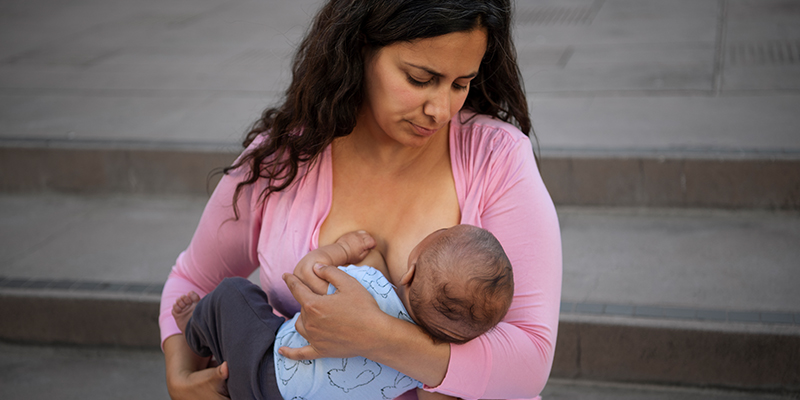
Holding your baby for the first time in your arms and welcoming them in this world could be the most amazing thing in your life. You cannot wait to hold them close to your heart and skin to feed them their first food of their life in this world from your breasts. Everything seems easy but is it really that easy?

One of the myths that people have is that breastfeeding is easy and it’s not painless.

But in reality, breastfeeding is not easy, and when it pains It can be disheartening.

In this blog we are going to understand the pain behind breastfeeding and how it is actually a thrush.

What is a Nipple Thrush?

A Fungal infection that occurs in the breast or a baby’s mouth is known as Nipple Thrush

Nipple thrust is caused by bacteria Candida Albicans. It is the same bacteria that causes vaginal thrush commonly called as Yeast infection.

Diagnosing a nipple thrust can be hard as it can be often confused with other conditions that can happen during breastfeeding.

So we will try to help you understand about Nipple thrust and how to treat it.

What causes Nipple Thrush?

Nipple thrush is more likely to develop when the infection spreads to other regions of the body, typically the vagina. If you have a history of vaginal yeast infections, you may be more likely to develop nursing thrush.

If another member of the family has an infection, such as a diaper rash or athlete’s foot, the infection can spread. Antibiotics are another cause of thrush because they kill good bacteria and allow harmful bacteria to thrive. Thrush can also be caused by recent breast damage for a mother.

Other factors that can make your susceptible to Nipple Thrush

  • If you have a history of or are prone to Vaginal thrush/ chronic yeast infections
  • Not cleaning or changing breast pads more often
  • Excessive sweating
  • Nipple Trauma
  • If you are taking antibiotics
  • Not drying off properly after bathing
  • Wearing ill fitted bras and not changing them often

Some medical conditions may also make you more susceptible to nipple thrush like Diabetes, HIV/AIDS or any other conditions that can affect your immune system.

The best thing to do regardless of your pain is to visit your Gynaecologist.

What are the symptoms of Nipple Thrush you can look out for?

Most women go through immense pain that lasts for 2-3 hours after breastfeeding

Sore nipples

Pain in both nipples and breasts

Nipple redness

Change in colour of your areola

Itchiness or burning sensations

Remember – Your baby might also display symptoms of Nipple thrush

  • Baby acting restless or uncomfortable while breastfeeding
  • A persistent Nappy rash that won’t go away for days
  • Thick spots that are white on the baby’s tongue, inside of cheeks, or roof of the mouth that are hard to scrape off.
  • Painful sores on your baby’s tongue

When treating thrush symptoms, make sure both yours and your baby’s symptoms are managed properly.

Can thrush be passed from mother to child and vice versa?

One of the most important part of threating thrush is that both you and your baby are treated at the same time. If you are treated separately, there are chances of you passing it to other people in the household.

You need to be extra careful with hygiene while experiencing and getting treated with Nipple thrush.

How Nipple Thrush is treated?

Once you are diagnosed with Nipple thrush there are way to medically treat it

Topical treatment – Your Gynaecologist may prescribed you a gel to use inside your baby’s mouth and a topical anti-fungal cream to use on your nipples after you are done feeding.

Anti – Fungal medicine – These medicines may also be prescribed sometimes. Your gynaec may suggest some anti fungal tablets, steroids or even anti inflammatories, if your topical creams are working anymore.

Ways to prevent Nipples thrush

Considering a good probiotic to support healthy microbiome 

Always make sure to use a clean towel and wash clothes frequently

Wear comfortable and clean bras

Wash your hands thoroughly and often before and after feeding your baby

Change your breast pads often

Disinfect and clean baby toys

Try to avoid sugary foods and alcohol

And the most important tip is to always keep your nipples dry and clean

Can you continue breastfeeding if you have Nipple thrush?

 The answer is yes. Being treated for nipple thrust doesn’t mean you have to stop breastfeeding your baby. With safe measures you can continue breastfeeding your baby while you both are undergoing treatment.

All you need to do is wash your hands thoroughly after applying cream and wipe off the excess cream before you start breastfeeding your baby.

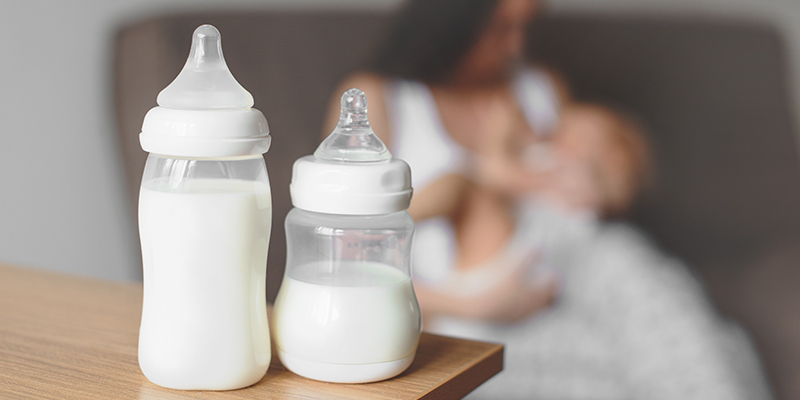
If you are expressing breastmilk while undergoing thrush treatment, you cannot freeze it and then use it later.

It simply gives a chance for your thrush to come back even after you have finished the treatment.

Conclusion

Once you have started taking medications for nipple thrush, your symptoms may improve within two to three days. For the infection to completely clear up, it make take a little longer, sometimes even a couple of weeks.